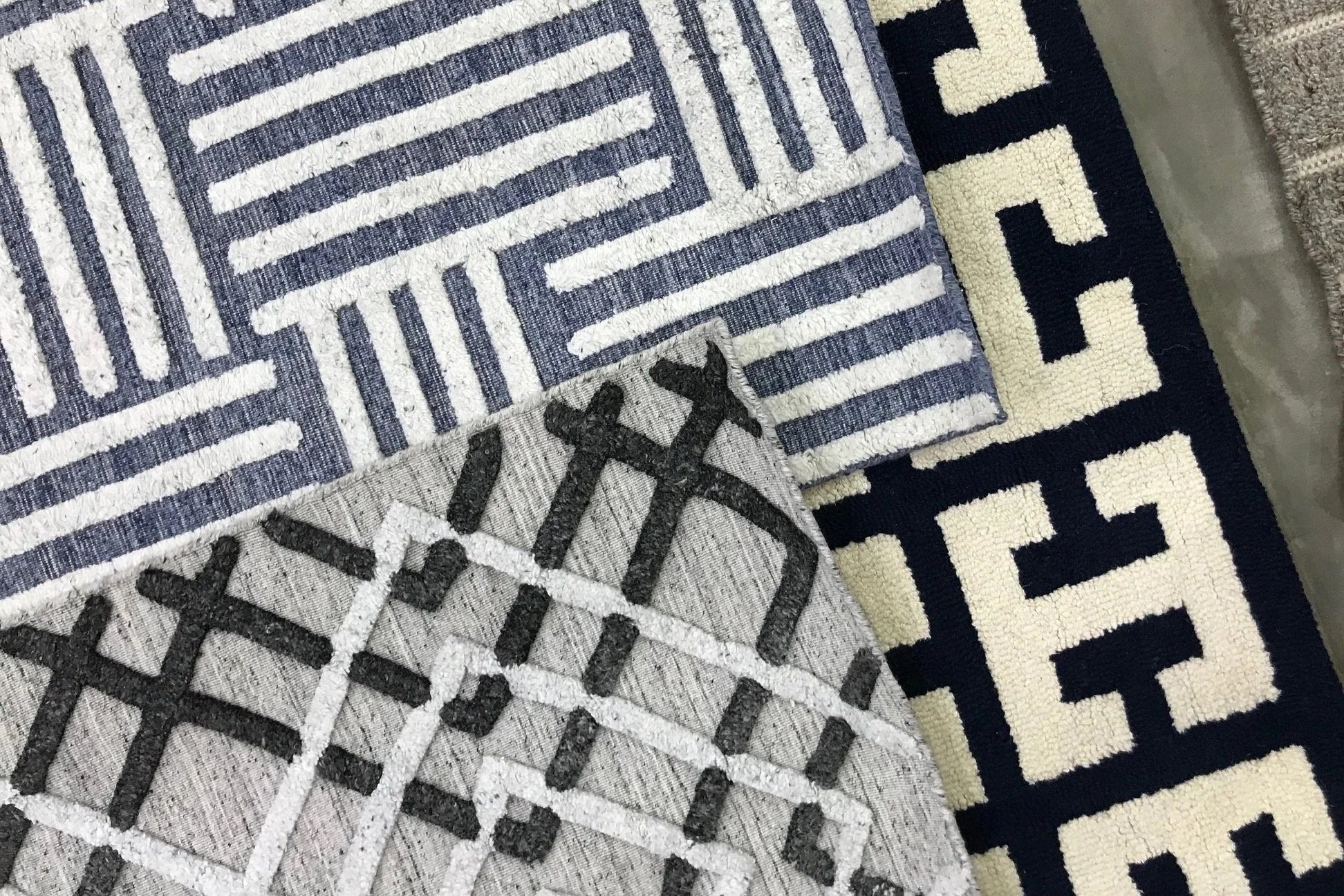
Sustainability of Handmade Rugs: Quality, Craftsmanship, and Longevity
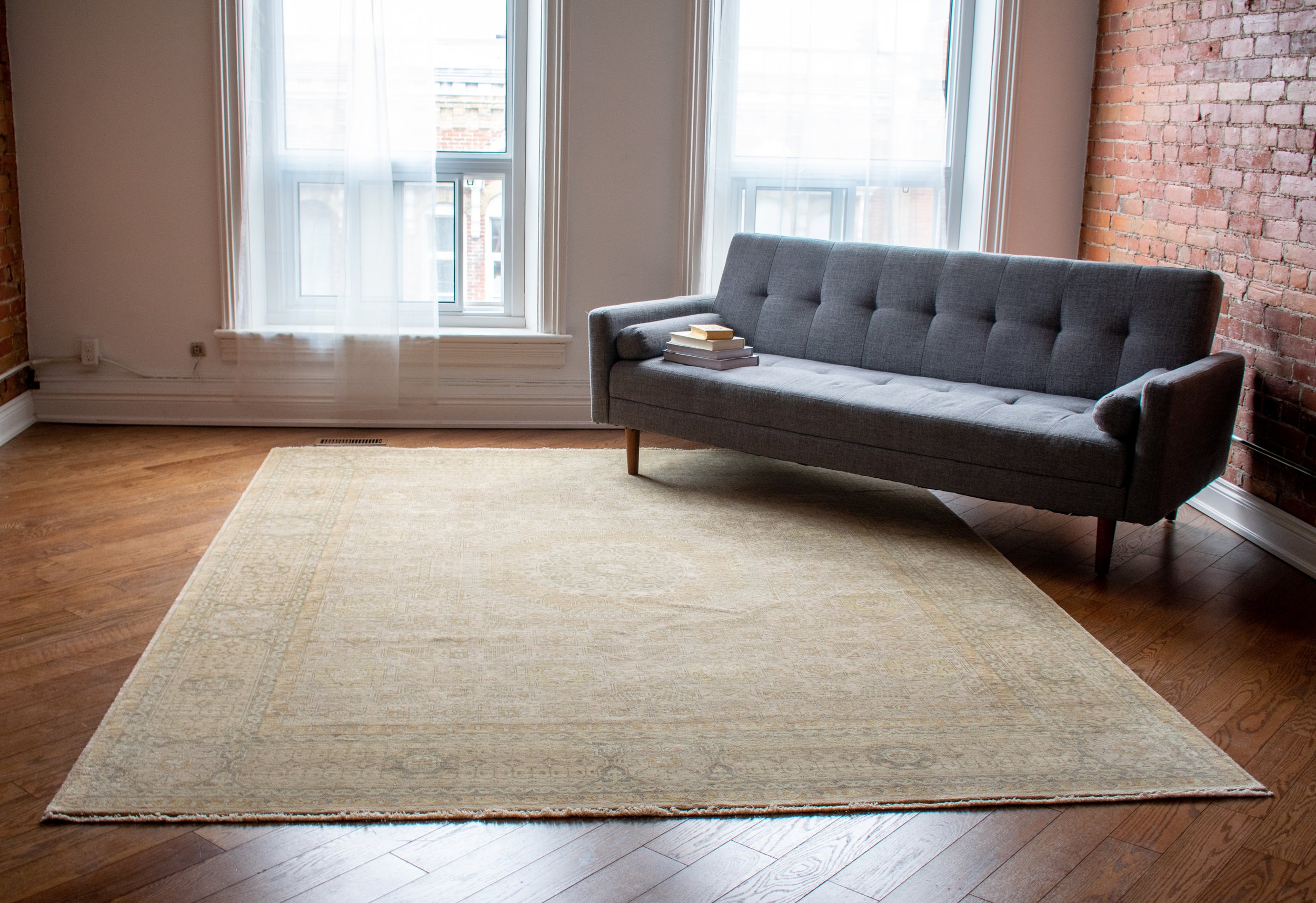
In a world where products are often designed to be replaced rather than kept, handmade rugs offer a different approach to home furnishing. Instead of focusing on short-term use, handmade rugs are crafted with longevity and quality in mind.
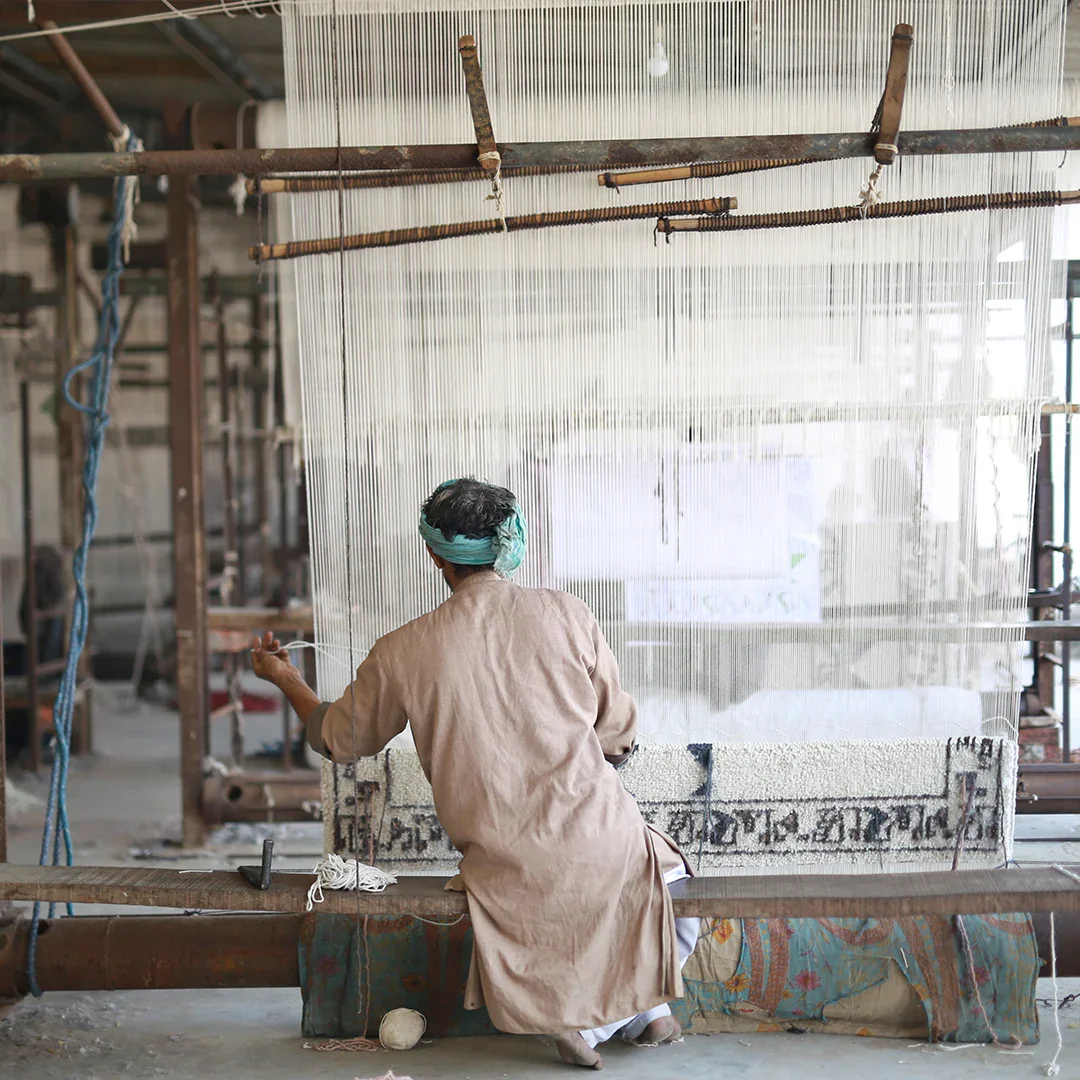
These rugs are made using traditional weaving techniques that have been passed down over generations. Each piece is created knot by knot, reflecting a careful and time-intensive production process that is very different from mass manufacturing.
Synthetic Flooring and the “Use and Throw” Approach
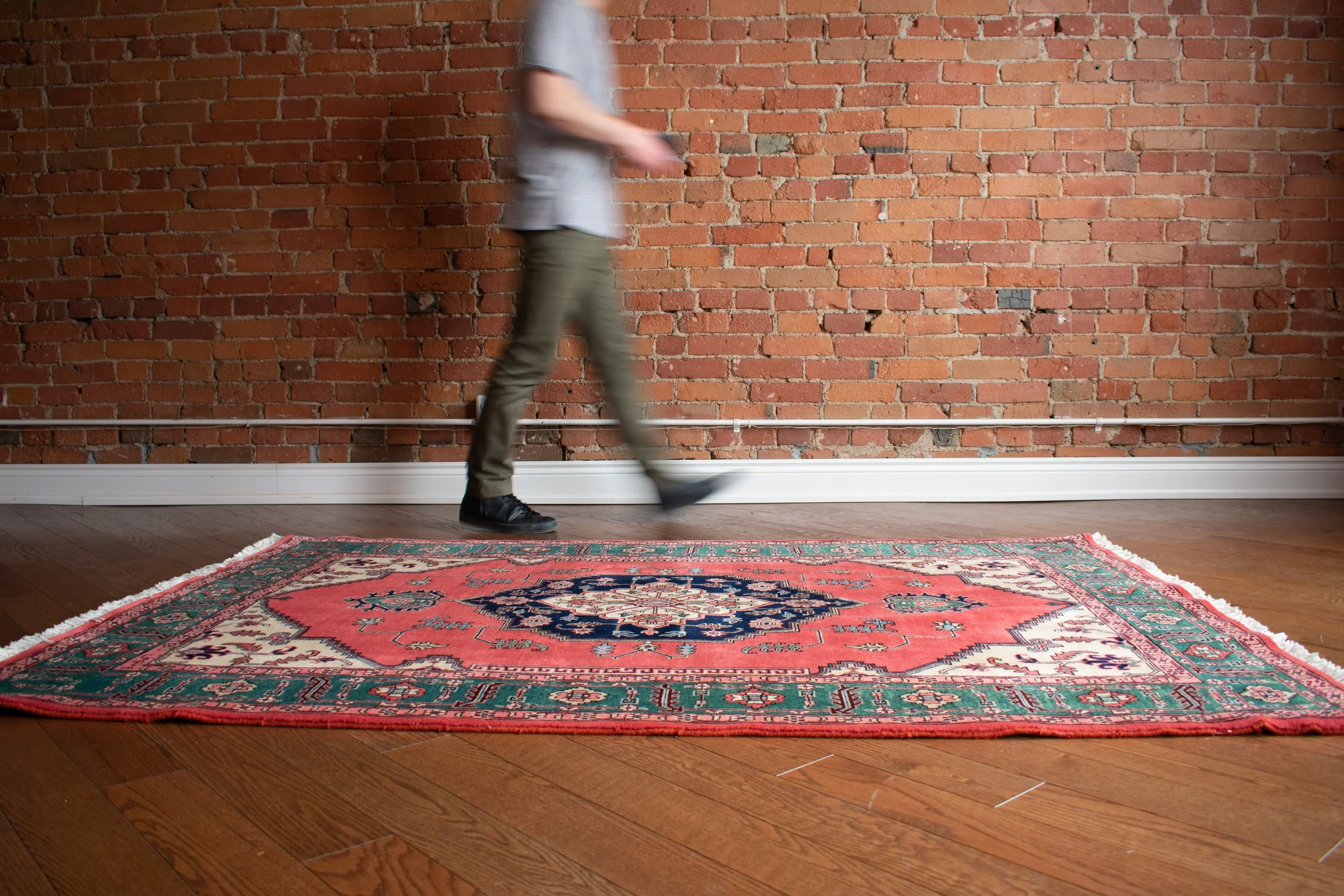
In contrast, many modern floor coverings are produced using synthetic materials and large-scale manufacturing methods. While these products may be more affordable initially, they are often designed with a shorter lifespan in mind, meaning they may need to be replaced more frequently over time. This “use and throw” approach can contribute to higher long-term consumption and waste, and many of these products eventually end up in landfills.
Environmental Impact of Synthetic Mass Production
The production of synthetic flooring materials can also have environmental implications. Manufacturing processes for some synthetic fibres rely on petroleum-based resources and industrial energy use, which contributes to environmental emissions.
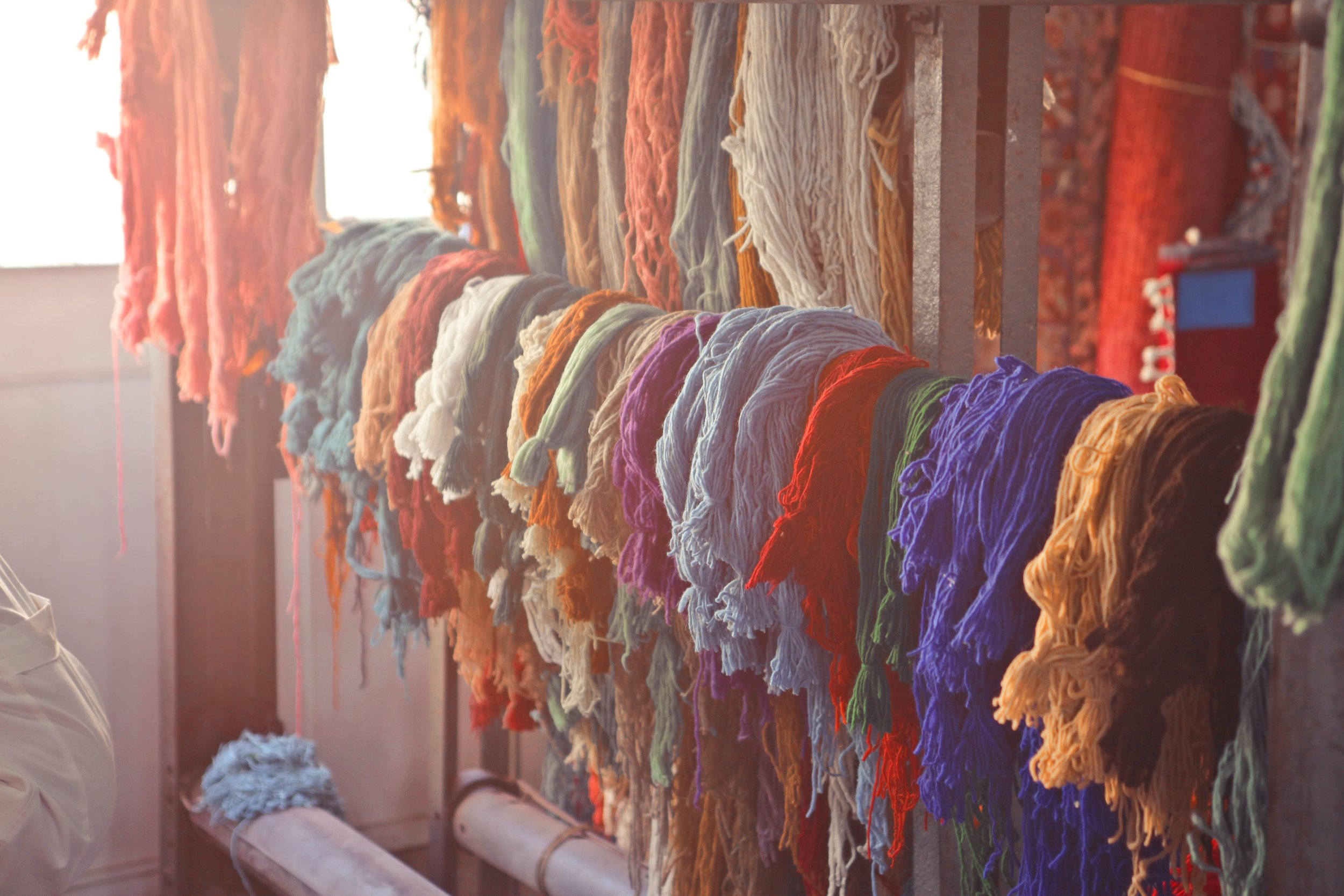
By comparison, handmade rugs are typically produced using natural fibres such as wool, which is a renewable material and can be more environmentally compatible when sourced and maintained responsibly. While no product is completely without environmental impact, handmade rugs are generally associated with a slower and more sustainable production model.

Quality and Natural Materials
Quality and sustainability are key features of handmade rugs. Natural materials such as wool are commonly used because they provide durability, comfort, and the ability to age well when properly cared for. Wool fibres are naturally resilient, helping the rug maintain its structure and appearance over time. Wool is also a renewable natural fibre, making it a more sustainable material choice compared to many synthetic alternatives.
The Philosophy Behind Handmade Rugs
The philosophy behind handmade rugs is not about buying something to use briefly and then replacing it. Handmade rugs are intended to remain part of a home for many years, offering a more thoughtful alternative to disposable-style products and mass-produced synthetic flooring.
By focusing on traditional craftsmanship, natural materials, and long-lasting construction, handmade rugs represent a slower and more sustainable way of furnishing a space. A well-made handmade rug can continue to be used and appreciated as it naturally develops character over time.
Key Takeaways
Handmade rugs are crafted using traditional techniques that focus on quality and longevity rather than short-term replacement.
Wool is commonly chosen for handmade rugs because it is a durable and renewable natural fibre that can stand the test of time.
Synthetic floor coverings are mass-produced and can contribute to higher long-term consumption, replacement frequency, and potentially greater overall environmental impact.
Handmade rugs represent a slower, more sustainable approach to home furnishing by emphasizing craftsmanship and long-term use.